Descovy (Tenofovir Alafenamide/Emtricitabine)

Get Semaglutide for $199 or Ozempic for $329 + FREE Weight-Loss Guide (Code: MyGuide)
×
Drug Description


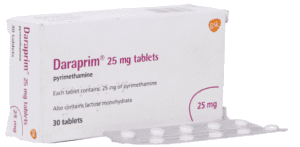
Daraprim (Pyrimethamine) is a prescription medication that plays a crucial role in the treatment of parasitic diseases, including toxoplasmosis and malaria. This medication is specifically designed for individuals who are particularly vulnerable to these infections, including pregnant women and individuals with weakened immune systems.
| Facts | Details |
| Generic Name | Pyrimethamine |
| Brand Name | Daraprim |
| Classification | Antiparasitic |
| Indications | Used to treat toxoplasmosis and as part of combination therapy for malaria. |
| FDA Approval Date | Originally approved in 1953. (Note: Confirm current approval status as regulations may change.) |
| Mechanism of Action | Inhibits folic acid synthesis in parasites, preventing their growth and reproduction. |
| Administration Route | Oral |
| Dosage Form | Tablet |
| Common Side Effects | Nausea, vomiting, loss of appetite, dizziness. |
| Special Considerations | – Requires careful dose adjustment in renal or hepatic impairment. – Potential risks during pregnancy and lactation need to be assessed by a healthcare provider. |
| Interactions | May interact with other medications such as folate antagonists and certain anticonvulsants. |
| Storage Recommendations | Store at room temperature away from light and moisture. |
| Prescription Required | Yes |
| Monitoring | Regular blood tests may be required to monitor for side effects. |
Like all medications, Daraprim (Pyrimethamine) can cause side effects, although not everybody gets them. Understanding these side effects can help you use this medication safely and effectively.
If you experience any side effects, discuss them with your healthcare provider. They can offer advice and may adjust your treatment if necessary. Report any severe or unexpected side effects immediately.
You can order Daraprim (Pyrimethamine) using these methods on our website:
Visit our How to order page.
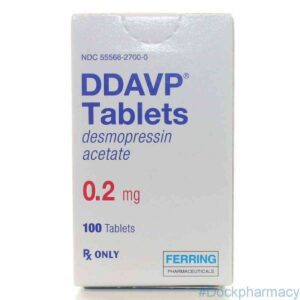
DDAVP (Desmopressin Acetate) is a synthetic analogue of the natural pituitary hormone 8-arginine vasopressin (ADH), an antidiuretic hormone affecting renal water conservation. It is used to treat conditions characterized by excessive urination and has been a cornerstone in the management of diabetes insipidus and bedwetting (nocturnal enuresis) in children, as well as for managing symptoms of other conditions like hemophilia A and von Willebrand’s Disease (Type I) by increasing plasma levels of von Willebrand factor and factor VIII.
| Facts | Details |
| Generic Name | Desmopressin Acetate |
| Brand Names | DDAVP, Minirin, Stimate, others |
| Drug Class | Synthetic analog of vasopressin (antidiuretic hormone, ADH) |
| FDA Approval | Yes (specific approval years vary by indication and form) |
| Indications | – Diabetes insipidus – Nocturnal enuresis in children – Hemophilia A – Von Willebrand’s Disease (Type I) |
| Forms Available | – Nasal spray – Oral tablets – Injectable solution |
| How It Works | Mimics the action of antidiuretic hormone, reducing urine production and increasing clotting factors |
| Common Side Effects | – Headache – Nausea – Mild abdominal cramps – Facial flushing – Nasal irritation (nasal spray form) |
| Precautions | – Cardiovascular disease – Kidney disorders- Fluid intake restrictions |
| Dosage | Varied based on condition, form of administration, and patient response |
| Administration | Depends on the form (e.g., nasal spray, oral tablet, injection) |
| Storage | Store at room temperature, away from light and moisture |
| Interactions | Can interact with other medications affecting water/electrolyte balance, consult healthcare provider |
Like all medications, DDAVP (Desmopressin Acetate) can cause side effects, although not everybody gets them. Understanding these side effects can help you use this medication safely and effectively.
If you experience any side effects, discuss them with your healthcare provider. They can offer advice and may adjust your treatment if necessary. Report any severe or unexpected side effects immediately.
You can order DDAVP (Desmopressin Acetate) using these methods on our website:
Visit our How to order page.
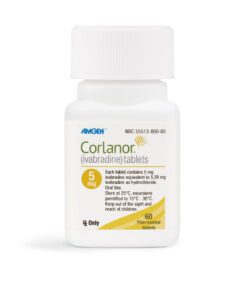
Corlanor (Ivabradine) is a prescription medication used to treat chronic heart failure in adults and certain pediatric patients. It works by slowing the heart rate, which helps reduce the workload on the heart, improving the heart’s ability to pump blood effectively. By reducing heart rate, Corlanor helps lower the risk of hospitalization due to worsening heart failure.
| Facts | Details |
| Brand Name | Corlanor |
| Generic Name | Ivabradine |
| Indication | Treatment of chronic heart failure in adult and pediatric patients who have a resting heart rate of at least 70 bpm |
| Dosage Forms | Oral tablets and oral solution |
| Strengths Available | 5 mg tablets, 7.5 mg tablets, and oral solution (oral liquid) |
| Mechanism of Action | Lowers heart rate by inhibiting the If (funny) current in the sinoatrial node, reducing the heart’s workload |
| Therapeutic Class | Hyperpolarization-activated cyclic nucleotide-gated (HCN) channel blockers |
| Patient Population | Adults and certain pediatric patients aged 6 months or older with chronic heart failure |
| Recommended Usage | Take orally twice daily with food as prescribed by your healthcare provider |
| Common Side Effects | – Visual disturbances (phosphenes) – Bradycardia (slow heart rate) – High blood pressure (hypertension) – Dizziness – Fatigue |
| Special Precautions | – Avoid in pregnant or breastfeeding women unless necessary – Monitor heart rate and blood pressure regularly during treatment – Avoid grapefruit or grapefruit juice as it can increase drug levels |
| Drug Interactions | – CYP3A4 inhibitors (e.g., ketoconazole, clarithromycin) can increase Corlanor levels – Avoid other drugs that lower heart rate (e.g., beta-blockers) unless directed by your doctor – Avoid use with strong CYP3A4 inducers (e.g., rifampin, phenytoin) |
| Storage | Store at room temperature (20-25°C / 68-77°F), away from moisture and direct light |
| Missed Dose Instructions | If missed, take it as soon as remembered unless close to the next dose. Do not double the dose. |
| FDA Approval | Yes, FDA approved for chronic heart failure |
Like all medications, Corlanor (Ivabradine) can cause side effects, although not everybody gets them. Understanding these side effects can help you use this medication safely and effectively.
If you experience any side effects, discuss them with your healthcare provider. They can offer advice and may adjust your treatment if necessary. Report any severe or unexpected side effects immediately.
You can order Corlanor (Ivabradine) using these methods on our website:
Visit our How to order page.

Betoptic S, which contains the active component Betaxolol Hydrochloride, is a prescription drug used to alleviate pressure in the eyes. It is a beta-blocker medicine that is often used to treat high eye pressure (ocular hypertension) and open-angle glaucoma.
| Facts | Details |
| Brand Name | Betoptic S |
| Generic Name | Betaxolol Hydrochloride |
| Drug Class | Beta-Blocker, Ophthalmic |
| FDA Approval Date | 1989 |
| Indications | Treatment of ocular hypertension and chronic open-angle glaucoma |
| Dosage Form | Ophthalmic suspension (eye drops) |
| Strength | 0.25% Betaxolol Hydrochloride |
| Administration Route | Topical (ocular) |
| Recommended Dosage | One drop in the affected eye(s) twice daily |
| Mechanism of Action | Lowers intraocular pressure by reducing aqueous humor production and possibly increasing outflow of aqueous humor |
| Key Side Effects | Minor eye discomfort, burning sensation in the eye, blurred vision, dry eyes. |
| Contraindications | Patients with asthma, severe chronic obstructive pulmonary disease (COPD), sinus bradycardia, second or third degree AV block, overt cardiac failure |
| Pregnancy Category | Category C (Risk not ruled out. Animal reproduction studies have shown an adverse effect on the fetus and there are no adequate and well-controlled studies in humans, but potential benefits may warrant use of the drug in pregnant women despite potential risks.) |
| Drug Interactions | May interact with other beta-blockers (systemic), calcium channel blockers, digitalis, CYP2D6 inhibitors |
| Storage Instructions | Store between 15-30°C (59-86°F). Keep the bottle tightly closed and away from light. |
Like all medications, Betoptic S (Betaxolol Hydrochloride) can cause side effects, although not everybody gets them. Understanding these side effects can help you use this medication safely and effectively.
If you experience any of these side effects or others, make sure to discuss them with your healthcare provider. They can offer advice and may adjust your treatment if necessary. Report any severe or unexpected side effects immediately.
You can order Betoptic S (Betaxolol Hydrochloride) using these methods on our website:
Visit our How to order page.


Besivance (Besifloxacin) is a prescription ophthalmic antibiotic used to treat bacterial conjunctivitis, commonly known as pink eye. Its unique formulation works effectively against a wide range of bacteria, including resistant strains, ensuring quick relief from discomfort and infection.
| Facts | Details |
| Generic Name | Besifloxacin |
| Brand Name | Besivance |
| Drug Class | Fluoroquinolone Antibiotic |
| Indication | Treatment of bacterial conjunctivitis (pink eye) caused by susceptible bacteria. |
| Dosage Form | Ophthalmic suspension, 0.6% |
| Strength | 6 mg of besifloxacin per 1 mL suspension |
| Mechanism of Action | Inhibits bacterial DNA gyrase and topoisomerase IV, enzymes critical for bacterial replication. |
| Dosage Instructions | Instill one drop in the affected eye(s) 3 times daily, approximately 4 to 12 hours apart. |
| Duration of Treatment | Typically 7 days, or as directed by a healthcare provider. |
| Storage Requirements | Store at 15–25°C (59–77°F). Avoid freezing. Shake well before use. |
| Contraindications | Hypersensitivity to besifloxacin, other fluoroquinolones, or any component of the formulation. |
| Common Side Effects | – Eye redness (conjunctival hyperemia) – Blurred vision – Eye pain – Eye irritation or itching |
| Warnings and Precautions | – Use with caution in patients with a history of hypersensitivity to fluoroquinolones. – Not recommended for use in neonates or children under one year. – Avoid contaminating the dropper tip to prevent secondary infections. |
| Drug Interactions | Minimal systemic absorption; interactions are unlikely. |
| How Supplied | 5 mL in a dropper bottle. |
| FDA Approval | Approved in 2009 |
Like all medications, Besivance (Besifloxacin) can cause side effects, although not everybody gets them. Understanding these side effects can help you use this medication safely and effectively.
If you experience any side effects, discuss them with your healthcare provider. They can offer advice and may adjust your treatment if necessary. Report any severe or unexpected side effects immediately.
You can order Besivance (Besifloxacin) using these methods on our website:
Visit our How to order page.
 OZEMPIC: Huge price drop limited stock, limited time opportunity. Click here to order.
| Was | Now | Save | |
|---|---|---|---|
| 1 Pen | $429.79 | Save $40 | |
| 2 Pens | $848.79 | Save $81 | |
| 3 Pens | $1257.59 | Save $122 | |
| 4 Pens | $1656.59 | Save $163 | |
| 5 Pens | $2045.59 | Save $203 | |
| 6 Pens | $2424.59 | Save $244 |
Basaglar : Huge price drop limited stock, limited time opportunity. Click here to order.
| Was | Now | Save | |
|---|---|---|---|
| 5 Pens | $116.95 | Save $44 | |
| 10 Pens | $226.95 | Save $49 | |
| 15 Pens | $321.95 | Save $54 | |
| 20 Pens | $428.79 | Save $63 |
*FreeShipping via Canada Post (CP)
We’re happy to share that Canada Post has resumed shipping!
We know how important medications are, and we deeply appreciate your patience and understanding during the challenge posed when Canada Post was on strike, something we had never experienced in our many years of service to you. That is why we are providing free CP shipping or subsidized FedEx shipping until December 31St
 Free shipping is available for all orders $100 and above as a thank you for your understanding.
 Please note: Canada Post is working to clear their backlog, so slight delays may still occur.
FedEx
We are doing some very limited number of FedEx shipping (limited number because FedEx is overloaded because of Canada Post’s strike), and we are subsidizing the cost of this faster services in appreciation of your patronage. The actual rate for FedEx is a little more than $70, but we are subsidizing it so those who want it only pay a little
 MOUNJARO (12.5mg): Save up to 70% Use code MN12MG for an additional 10% off for 12.5mg. Chat now to order and save up to $90 or