
Cardizem (Diltiazem Hydrochloride)
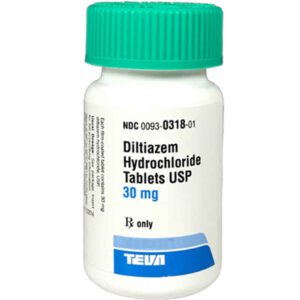
Cardizem (Diltiazem Hydrochloride)
Cardizem (Diltiazem Hydrochloride) is a prescription medication commonly used to treat high blood pressure (hypertension) and certain types of chest pain (angina). As a calcium channel blocker, Cardizem works by relaxing the blood vessels, improving blood flow, and easing the heart’s workload. It helps prevent complications associated with high blood pressure, such as heart attacks and strokes while improving your overall cardiovascular health.
Why Choose Cardizem (Diltiazem Hydrochloride)?
- Effective Blood Pressure Control: Lowers and maintains blood pressure, reducing the risk of serious heart conditions.
- Relieves Angina: Helps reduce the frequency and severity of chest pain caused by inadequate oxygen supply to the heart.
- Improves Heart Function: Reduces the workload on the heart, making it easier for the heart to pump blood.
- Supports Better Circulation: Promotes healthier blood flow by relaxing blood vessels.
- Proven Safety and Efficacy: Widely prescribed and clinically tested for long-term management of hypertension and angina.
How to Use Cardizem (Diltiazem Hydrochloride)?
- Follow Prescribed Dosage: Take Cardizem exactly as directed by your healthcare provider. Do not increase or decrease your dose without medical advice.
- Take with or without Food: Cardizem can be taken with or without food, but try to take it at the same time each day to maintain consistent levels in your body.
- Swallow Whole: Do not crush, chew, or break extended-release tablets.
- Monitor Your Blood Pressure: Regularly check your blood pressure to ensure the medication is working effectively.
- Avoid Alcohol: Limit alcohol consumption, as it can increase the risk of side effects like dizziness.
- Stay Hydrated: Drink plenty of fluids unless otherwise advised by your doctor.
- Discuss Other Medications: Inform your doctor about all medications you are taking to avoid potential interactions.
Important Safety Information about Cardizem
- Do not use Cardizem if you have a known allergy to diltiazem or any of its components.
- Use with caution if you have liver or kidney problems.
- Avoid abrupt discontinuation of the medication, as it may cause a sudden spike in blood pressure or chest pain.
- Pregnant or breastfeeding women should consult their doctor before use.
- Notify your healthcare provider if you experience severe dizziness, fainting, or slow heartbeat.
Fact Table
| Facts | Details |
| Generic Name | Diltiazem Hydrochloride |
| Brand Names | Cardizem, Cardizem LA, Cardizem CD, Dilacor XR, Tiazac, Cartia XT |
| Drug Class | Calcium Channel Blocker (Non-Dihydropyridine) |
| Mechanism of Action | Inhibits the influx of calcium ions into cardiac and smooth muscle cells, leading to relaxation of blood vessels and decreased heart rate and contractility. |
| Primary Indications | – Hypertension (high blood pressure) – Angina (chronic stable and vasospastic) – Certain types of arrhythmias (e.g., atrial fibrillation/flutter) |
| Dosage Forms | – Tablets (immediate release) – Extended-release capsules (CD, XR, LA) |
| Typical Dosage | – Immediate release: 30-120 mg taken 3-4 times daily – Extended release: 120-360 mg once daily (dosage varies based on indication and patient need) |
| Administration Instructions | – Take with or without food. – Swallow extended-release capsules whole; do not crush or chew. |
| Onset of Action | – Oral tablets: 30 minutes to 1 hour – Extended release: 2 to 3 hours |
| Duration of Action | – 6 to 12 hours (immediate release) – 24 hours (extended release formulations) |
| Half-Life | 3 to 9 hours depending on formulation and individual metabolism |
| Common Side Effects | – Dizziness – Fatigue – Headache – Nausea – Bradycardia (slow heart rate) |
| Drug Interactions | – Beta-blockers: Increased risk of bradycardia and heart block – CYP3A4 inhibitors: May increase diltiazem levels – Statins: Increased risk of myopathy |
| Overdose Symptoms | Severe hypotension, bradycardia, cardiac arrest, dizziness, and confusion |
| Storage Instructions | Store at room temperature (20-25°C or 68-77°F) away from light and moisture. |
Common Side Effects
Like all medications, Cardizem (Diltiazem Hydrochloride) can cause side effects, although not everybody gets them. Understanding these side effects can help you use this medication safely and effectively.
- Dizziness or lightheadedness
- Fatigue or weakness
- Nausea or upset stomach
- Swelling in the hands, ankles, or feet
- Headache
If you experience any side effects, discuss them with your healthcare provider. They can offer advice and may adjust your treatment if necessary. Report any severe or unexpected side effects immediately.
How Can You Buy Cardizem (Diltiazem Hydrochloride)?
You can order Cardizem (Diltiazem Hydrochloride) using these methods on our website:
- Order Online
- Order by Phone
- Order by Fax
- Order your refills
Visit our How to order page.



 OZEMPIC: Huge price drop limited stock, limited time opportunity.
  MOUNJARO (12.5mg): Save up to 70% Use code MN12MG for an additional 10% off for 12.5mg. Chat now to order and save up to $90 or
  Free shipping is available for all orders $100 and above as a thank you for your understanding.
 Please note: Canada Post is working to clear their backlog, so slight delays may still occur.