
What Are the Side Effects of Using Jublia?
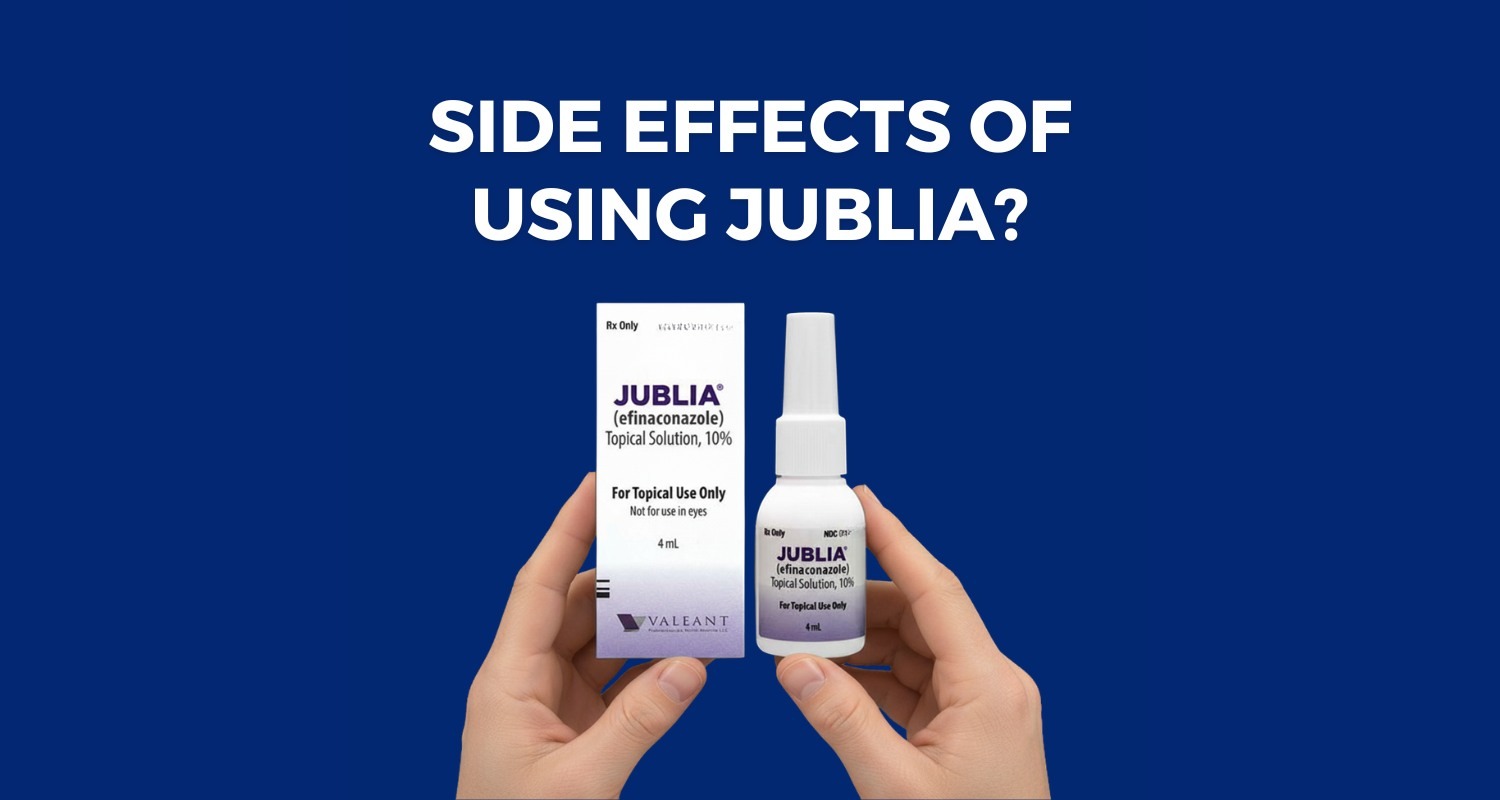
If your doctor recently prescribed Jublia for a toenail fungus infection, you might be wondering what to expect once you start using it. That is completely normal. Most of us like to know what we are getting into before we put something new on our bodies, and Jublia is no exception.
Let’s walk through the side effects of using Jublia in plain, simple language, so you feel informed and confident before you open that little bottle.
What Is Jublia, and How Does It Work?
Jublia (efinaconazole 10% solution) is a prescription antifungal medication applied directly to infected toenails. Think of it as a targeted treatment that goes straight to the source of the problem instead of traveling through your whole body like a pill would. You apply it once a day, directly onto the nail, and it works by stopping the fungus from growing.
Because it works topically (meaning on the surface), it generally has fewer side effects than oral antifungal medications. But that does not mean it is completely free of side effects.
Because Jublia is applied directly to the nail, many people also wonder whether it has effects beyond the application area. If you are concerned about whole-body exposure, read Does Jublia affect the liver? for a closer look at why this topical treatment is generally considered low risk in that regard.
Common Side Effects of Jublia
Most people who use Jublia tolerate it quite well. However, some do notice mild reactions, especially in the area where it is applied.
Ingrown Toenail
This is actually one of the more commonly reported side effects. Some users develop an ingrown toenail during treatment. It might sound unrelated, but the way the nail grows and responds to the solution can sometimes cause the edges to curl inward. If you notice pain along the sides of your nail, let your doctor know.
Skin Reactions Around the Nail
Some people experience redness, itching, swelling, or a burning sensation around the treated nail. Imagine accidentally getting a little too much sunscreen in one spot and feeling that slight sting. That is a rough idea of what this can feel like. It is usually mild and goes away on its own.
Blisters or Dermatitis
A smaller number of users report blisters forming near the nail or a type of skin irritation called contact dermatitis. This happens when the skin reacts to the ingredients in the formula. If blisters appear or the irritation seems to be spreading, stop use and call your doctor.
Less Common but Worth Knowing
While rare, a few other reactions have been reported.
Some people notice a slight discoloration or change in the appearance of the nail during treatment. This can look alarming, but it is often just part of the healing process as the infected nail grows out and new, healthy nail takes its place.
There is also a small chance of a more serious allergic reaction, though this is very uncommon. Signs would include significant swelling, rash spreading beyond the application area, or difficulty breathing. If any of those happen, seek medical help right away.
Some nail changes during treatment can be confusing because healthy improvement often happens very slowly. To set realistic expectations, read How long does it take to see results with Jublia? So readers understand why patience is such a big part of treatment.
Who Should Be Extra Careful?
If you have sensitive skin or a history of skin allergies, let your doctor know before starting Jublia. Also, be careful to avoid getting the solution on your skin beyond the nail area during application. The dropper is designed to apply the medication precisely, so take your time with each application.
Jublia has not been fully studied in pregnant women, so if you are pregnant or breastfeeding, have a thorough conversation with your doctor about whether it is the right option for you.
Tips to Reduce Side Effects
A few simple habits can help keep irritation to a minimum.
Apply Jublia exactly as directed, once daily, and let it dry completely before putting on socks or footwear. Avoid applying it to broken or irritated skin. Wash your hands after each application to prevent accidentally spreading it to other areas.
Also, be patient. Jublia requires up to 48 weeks of consistent use to show results. Stopping early or using it inconsistently can mean the fungus comes back.
Final Thoughts
The side effects of using Jublia are mostly mild and manageable for most people. The most common ones include local skin irritation, ingrown toenails, and occasional blisters around the nail area. Serious reactions are rare, but knowing what to watch for helps you stay in control of your health.
If you ever feel unsure or if something does not seem right during your treatment, your pharmacist or doctor is always your best resource. You are not in this alone, and a quick call can give you peace of mind.
Get your medications online
Avoid extra trips to the pharmacy and have your Jublia delivered right to your door. With PharmaServe, you can buy Jublia online and stay on track with your toenail fungus treatment from the comfort of home.
PharmaServe makes it easier to access trusted treatment options like Jublia at affordable prices. It is a simple and discreet way to stay consistent with care while focusing on recovery.
References and Further Reading
This article offers general information and should not replace personalized medical advice. Always consult your doctor for a comprehensive assessment and to determine which medication is right for you.
https://www.accessdata.fda.gov/drugsatfda_docs/label/2022/203567s010lbl.pdf
https://hpr-rps.hres.ca/details.php?drugproductid=3329&query=&wbdisable=true


 OZEMPIC: Huge price drop limited stock, limited time opportunity.
  MOUNJARO (12.5mg): Save up to 70% Use code MN12MG for an additional 10% off for 12.5mg. Chat now to order and save up to $90 or
  Free shipping is available for all orders $100 and above as a thank you for your understanding.
 Please note: Canada Post is working to clear their backlog, so slight delays may still occur.