Capoten (Captopril)

Get Ozempic $329 + FREE Interactive Weight-Loss Guides (Code:MyGuide)
×
Drug Description



Carafate (Sucralfate) is a prescription medication designed to treat and manage ulcers in the stomach and intestines. It works by forming a protective coating over the ulcer, shielding it from stomach acid, and promoting healing. This medication is also used to prevent the recurrence of ulcers, ensuring long-term digestive health.
| Facts | Details |
| Generic Name | Sucralfate |
| Brand Name | Carafate |
| Drug Class | Gastrointestinal agent |
| Indication | Treatment and prevention of duodenal ulcers; management of gastric ulcers |
| Mechanism of Action | Forms a protective barrier over ulcers, adhering to damaged tissue and shielding it from stomach acid and enzymes |
| Dosage Forms | Tablets: 1 g
Oral Suspension: 1 g/10 mL |
| Usual Adult Dosage | – Active Ulcer: 1 g four times daily (before meals and at bedtime) – Maintenance: 1 g twice daily |
| Route of Administration | Oral |
| Onset of Action | Within 1-2 hours |
| Duration of Action | Up to 6 hours |
| Key Contraindications | – Hypersensitivity to sucralfate or its components – Severe renal impairment (use with caution) |
| Warnings and Precautions | – May reduce the absorption of other medications – Use cautiously in elderly or debilitated patients |
| Drug Interactions | – Antacids: Avoid use within 30 minutes of Carafate
– Decreased absorption of digoxin, phenytoin, and tetracycline |
| Common Side Effects | – Constipation – Dry mouth – Nausea – Indigestion – Dizziness |
| Storage Instructions | – Store at room temperature (20°C to 25°C / 68°F to 77°F) – Protect from light and moisture |
| Special Notes | – Take on an empty stomach – Complete the full course of treatment as prescribed |
Like all medications, Carafate (Sucralfate) can cause side effects, although not everybody gets them. Understanding these side effects can help you use this medication safely and effectively.
If you experience any side effects, discuss them with your healthcare provider. They can offer advice and may adjust your treatment if necessary. Report any severe or unexpected side effects immediately.
You can order Carafate (Sucralfate) using these methods on our website:
Visit our How to order page.
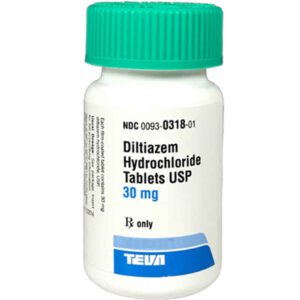
Cardizem (Diltiazem Hydrochloride) is a prescription medication commonly used to treat high blood pressure (hypertension) and certain types of chest pain (angina). As a calcium channel blocker, Cardizem works by relaxing the blood vessels, improving blood flow, and easing the heart’s workload. It helps prevent complications associated with high blood pressure, such as heart attacks and strokes while improving your overall cardiovascular health.
| Facts | Details |
| Generic Name | Diltiazem Hydrochloride |
| Brand Names | Cardizem, Cardizem LA, Cardizem CD, Dilacor XR, Tiazac, Cartia XT |
| Drug Class | Calcium Channel Blocker (Non-Dihydropyridine) |
| Mechanism of Action | Inhibits the influx of calcium ions into cardiac and smooth muscle cells, leading to relaxation of blood vessels and decreased heart rate and contractility. |
| Primary Indications | – Hypertension (high blood pressure) – Angina (chronic stable and vasospastic) – Certain types of arrhythmias (e.g., atrial fibrillation/flutter) |
| Dosage Forms | – Tablets (immediate release) – Extended-release capsules (CD, XR, LA) |
| Typical Dosage | – Immediate release: 30-120 mg taken 3-4 times daily – Extended release: 120-360 mg once daily (dosage varies based on indication and patient need) |
| Administration Instructions | – Take with or without food. – Swallow extended-release capsules whole; do not crush or chew. |
| Onset of Action | – Oral tablets: 30 minutes to 1 hour – Extended release: 2 to 3 hours |
| Duration of Action | – 6 to 12 hours (immediate release) – 24 hours (extended release formulations) |
| Half-Life | 3 to 9 hours depending on formulation and individual metabolism |
| Common Side Effects | – Dizziness – Fatigue – Headache – Nausea – Bradycardia (slow heart rate) |
| Drug Interactions | – Beta-blockers: Increased risk of bradycardia and heart block – CYP3A4 inhibitors: May increase diltiazem levels – Statins: Increased risk of myopathy |
| Overdose Symptoms | Severe hypotension, bradycardia, cardiac arrest, dizziness, and confusion |
| Storage Instructions | Store at room temperature (20-25°C or 68-77°F) away from light and moisture. |
Like all medications, Cardizem (Diltiazem Hydrochloride) can cause side effects, although not everybody gets them. Understanding these side effects can help you use this medication safely and effectively.
If you experience any side effects, discuss them with your healthcare provider. They can offer advice and may adjust your treatment if necessary. Report any severe or unexpected side effects immediately.
You can order Cardizem (Diltiazem Hydrochloride) using these methods on our website:
Visit our How to order page.
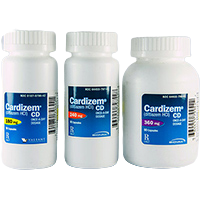
Cardizem CD, containing Diltiazem Hydrochloride, is a prescription medication used to manage high blood pressure (hypertension) and certain heart conditions like chronic stable angina (chest pain). As a calcium channel blocker, Cardizem CD works by relaxing blood vessels, improving blood flow, and reducing the workload on the heart.
| Facts | Details |
| Generic Name | Diltiazem Hydrochloride |
| Brand Name | Cardizem CD |
| Drug Class | Calcium Channel Blocker |
| Indications | – Hypertension (high blood pressure) – Chronic stable angina (chest pain) |
| Dosage Form | Extended-Release Capsules |
| Mechanism of Action | Relaxes blood vessels and reduces heart workload by blocking calcium flow into cells. |
| Administration Route | Oral |
| Frequency | Once daily |
| Common Dosage Range | – Initial dose: 180-240 mg once daily – Adjusted based on response: 120-540 mg daily |
| Key Benefits | – Lowers blood pressure – Prevents chest pain – Improves heart function |
| How to Take | – Take at the same time daily – Swallow capsules whole; do not crush or chew |
| Drug Interactions | May interact with: – Beta-blockers (e.g., metoprolol) – Digoxin – CYP3A4 inhibitors (e.g., grapefruit juice, certain antifungals) – Statins (e.g., simvastatin) |
| Common Side Effects | – Dizziness – Headache – Nausea – Swelling of hands or feet – Fatigue |
| Warnings and Precautions | – Monitor blood pressure and heart rate regularly – Avoid abrupt discontinuation – Use caution if you have liver, kidney, or heart conditions |
| Storage Instructions | – Store at room temperature (68°F to 77°F or 20°C to 25°C) – Keep away from moisture, heat, and light |
| Missed Dose Instructions | Take the missed dose as soon as you remember, unless it is close to your next dose. Do not double up on doses. |
Like all medications, Cardizem CD (Diltiazem Hydrochloride) can cause side effects, although not everybody gets them. Understanding these side effects can help you use this medication safely and effectively.
If you experience any side effects, discuss them with your healthcare provider. They can offer advice and may adjust your treatment if necessary. Report any severe or unexpected side effects immediately.
You can order Cardizem CD (Diltiazem Hydrochloride) using these methods on our website:
Visit our How to order page.


Ceclor (Cefaclor) is a second-generation cephalosporin antibiotic designed to combat a broad range of bacterial infections. Formulated to target and destroy bacteria effectively, Ceclor is your go-to solution for managing conditions such as pneumonia, strep throat, ear infections, urinary tract infections, and skin infections. Its proven efficacy and safety profile make it a trusted choice in the fight against bacterial infections.
| Facts | Details |
| Generic Name | Cefaclor |
| Brand Names | Ceclor, others |
| Drug Class | Cephalosporin Antibiotic |
| FDA Approval | Yes (specific approval year can vary by country) |
| Indications | Treatment of bacterial infections such as pneumonia, strep throat, ear infections, skin infections, etc. |
| Formulations | Capsules, Oral Suspension, Extended-Release Tablets |
| Dosage | Dosage varies based on age, weight, and severity of infection; consult a healthcare provider. |
| How It Works | Inhibits bacterial cell wall synthesis, leading to cell death. |
| Common Side Effects | Nausea, vomiting, diarrhea, allergic reactions, including rash and itching. |
| Drug Interactions | Antacids, proton pump inhibitors, and certain other antibiotics may affect cefaclor’s absorption or effectiveness. |
| Pregnancy Category | B (No evidence of risk in humans, but studies are limited; consult a healthcare provider.) |
| Breastfeeding | Cefaclor can be excreted in breast milk; consult a healthcare provider before use. |
| Storage | Store at room temperature away from moisture and heat. Do not freeze the oral suspension. |
| Prescription Required | Yes |
Like all medications, Ceclor (Cefaclor) can cause side effects, although not everybody gets them. Understanding these side effects can help you use this medication safely and effectively.
If you experience any side effects, discuss them with your healthcare provider. They can offer advice and may adjust your treatment if necessary. Report any severe or unexpected side effects immediately.
You can order Ceclor (Cefaclor) using these methods on our website:
Visit our How to order page.

Ceftin (Cefuroxime Axetil) is a highly effective antibiotic used to treat a wide range of bacterial infections. This includes infections of the throat, middle ear, sinuses, lungs, skin, and urinary tract, among others. Ceftin is part of the cephalosporin antibiotics family and works by fighting bacteria in your body, providing relief from symptoms, and preventing the spread of infection.
| Generic Name | Cefuroxime Axetil |
| Brand Name | Ceftin |
| Drug Class | Cephalosporin Antibiotic |
| FDA Approval |
Yes (specific approval year varies by country) |
| Indications | Treatment of bacterial infections such as: – Sinusitis – Pharyngitis – Tonsillitis – Bronchitis – Pneumonia – Urinary Tract Infections (UTIs) – Skin and Structure Infections |
| Formulations Available |
– Tablet – Oral Suspension (liquid) |
| Dosage Forms |
– 250 mg Tablets – 500 mg Tablets – Oral Suspension |
| Administration Route |
Oral |
| Usage |
According to the doctor’s prescription; dosage varies by infection type and patient age/condition |
| Common Side Effects |
– Nausea – Diarrhea – Vomiting – Upset stomach |
| Serious Side Effects |
– Severe allergic reactions – Jaundice – Severe diarrhea – Rash – Itching – Trouble breathing |
| Contraindications |
Allergy to cephalosporin antibiotics or penicillin |
| Pregnancy Category |
B (No evidence of risk in humans, but studies are limited or animal studies have shown minimal risk) |
| Breastfeeding Consideration |
Consult with the healthcare provider as cefuroxime passes into breast milk but is considered acceptable for use during breastfeeding |
| Drug Interactions |
May interact with antacids, diuretics, blood thinners, and other antibiotics. Consult with the healthcare provider for a complete list. |
| Storage |
Tablets: Store at room temperature away from moisture and heat. Oral Suspension: Refrigerate, do not freeze. Discard after 10 days if not used. |
Like all medications, Ceftin (Cefuroxime Axetil) can cause side effects, although not everybody gets them. Understanding these side effects can help you use this medication safely and effectively.
If you experience any side effects, discuss them with your healthcare provider. They can offer advice and may adjust your treatment if necessary. Report any severe or unexpected side effects immediately.
You can order Ceftin (Cefuroxime Axetil) using these methods on our website:

Celexa (Citalopram Hydrobromide) is a selective serotonin reuptake inhibitor (SSRI) that is prescribed to treat depression and a range of associated mental health conditions. By balancing serotonin levels in the brain, Celexa helps improve mood, sleep, appetite, and energy levels, contributing to the overall well-being and mental health of individuals.
| Facts | Details |
| Generic Name | Citalopram Hydrobromide |
| Brand Name(s) | Celexa |
| Drug Class | Selective Serotonin Reuptake Inhibitor (SSRI) |
| FDA Approval Date | Approved in 1998 |
| Indications | Major Depressive Disorder |
| Dosage Forms | Oral tablet (10 mg, 20 mg, 40 mg) |
| Common Dosage | Initial: 20 mg once daily; Maximum: 40 mg per day |
| Administration Route | Oral |
| Half-life | Approximately 35 hours |
| Side Effects | Nausea, dry mouth, somnolence, insomnia, increased sweating, tremor, diarrhea |
| Warnings/Precautions | Increased risk of suicidal thoughts and behavior in children, adolescents, and young adults; Risk of QT interval prolongation; Caution in patients with a history of mania or seizure disorders |
| Drug Interactions | Increased risk of serotonin syndrome with MAOIs, SNRIs, SSRIs, triptans, tricyclic antidepressants, fentanyl, lithium, tramadol, tryptophan, buspirone, and St. John’s Wort |
| Pregnancy Category | Category C (risk not ruled out) |
| Metabolism | Primarily hepatic (CYP2C19, CYP3A4, and CYP2D6) |
Like all medications, Celexa (Citalopram Hydrobromide) can cause side effects, although not everybody gets them. Understanding these side effects can help you use this medication safely and effectively.
If you experience any side effects, discuss them with your healthcare provider. They can offer advice and may adjust your treatment if necessary. Report any severe or unexpected side effects immediately.
You can order Celexa (Citalopram Hydrobromide) using these methods on our website:
Visit our How to order page.
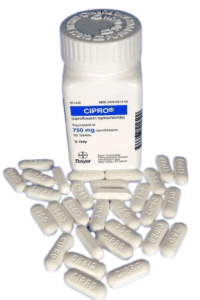
Cipro (Ciprofloxacin Hydrochloride) is a prescription antibiotic used to treat a wide range of bacterial infections. It belongs to the fluoroquinolone class of antibiotics and works by inhibiting the growth of bacteria, making it an effective choice for conditions like urinary tract infections (UTIs), respiratory infections, skin infections, and certain types of gastrointestinal infections.
| Facts | Details |
| Generic Name | Ciprofloxacin Hydrochloride |
| Brand Name | Cipro |
| Drug Class | Fluoroquinolone Antibiotic |
| Dosage Forms | – Immediate-release tablets – Extended-release tablets – Oral suspension – Intravenous (IV) solution |
| Uses | – Urinary tract infections (UTIs) – Respiratory tract infections – Skin and soft tissue infections – Gastrointestinal infections – Bone and joint infections – Certain sexually transmitted infections (STIs) |
| Mechanism of Action | Inhibits bacterial DNA gyrase and topoisomerase IV, preventing DNA replication in bacteria. |
| Route of Administration | Oral or Intravenous (IV) |
| Onset of Action | Typically within 1-2 hours for oral forms |
| Duration of Effect | Varies by dosage; typically 12 hours for immediate-release forms |
| Storage Requirements | Store at room temperature, 20–25°C (68–77°F), away from moisture and light. |
| Common Side Effects | – Nausea and vomiting – Diarrhea – Headache – Dizziness – Rash |
| Special Warnings | – Increased risk of tendonitis in elderly patients or those on corticosteroids. – May cause photosensitivity; avoid excessive sunlight. – Avoid in patients with myasthenia gravis due to risk of muscle weakness. |
| Drug Interactions | – Antacids and supplements containing calcium, magnesium, or aluminum may reduce absorption. – May interact with theophylline, warfarin, and certain antiarrhythmics. |
| Alcohol Interaction | Alcohol may exacerbate certain side effects like dizziness and nausea. Avoid if possible. |
| Missed Dose Instructions | Take as soon as you remember unless it is close to the next dose. Do not double up. |
| Overdose Management | Seek immediate medical attention. Symptoms may include nausea, dizziness, or confusion. |
| Prescription Requirement | Yes |
Like all medications, Cipro (Ciprofloxacin Hydrochloride) can cause side effects, although not everybody gets them. Understanding these side effects can help you use this medication safely and effectively.
If you experience any side effects, discuss them with your healthcare provider. They can offer advice and may adjust your treatment if necessary. Report any severe or unexpected side effects immediately.
You can order Cipro (Ciprofloxacin Hydrochloride) using these methods on our website:
Visit our How to order page.
 OZEMPIC: Huge price drop limited stock, limited time opportunity. Click here to order.
| Was | Now | Save | |
|---|---|---|---|
| 1 Pen | $429.79 | Save $40 | |
| 2 Pens | $848.79 | Save $81 | |
| 3 Pens | $1257.59 | Save $122 | |
| 4 Pens | $1656.59 | Save $163 | |
| 5 Pens | $2045.59 | Save $203 | |
| 6 Pens | $2424.59 | Save $244 |
Basaglar : Huge price drop limited stock, limited time opportunity. Click here to order.
| Was | Now | Save | |
|---|---|---|---|
| 5 Pens | $116.95 | Save $44 | |
| 10 Pens | $226.95 | Save $49 | |
| 15 Pens | $321.95 | Save $54 | |
| 20 Pens | $428.79 | Save $63 |
*FreeShipping via Canada Post (CP)
We’re happy to share that Canada Post has resumed shipping!
We know how important medications are, and we deeply appreciate your patience and understanding during the challenge posed when Canada Post was on strike, something we had never experienced in our many years of service to you. That is why we are providing free CP shipping or subsidized FedEx shipping until December 31St
 Free shipping is available for all orders $100 and above as a thank you for your understanding.
 Please note: Canada Post is working to clear their backlog, so slight delays may still occur.
FedEx
We are doing some very limited number of FedEx shipping (limited number because FedEx is overloaded because of Canada Post’s strike), and we are subsidizing the cost of this faster services in appreciation of your patronage. The actual rate for FedEx is a little more than $70, but we are subsidizing it so those who want it only pay a little
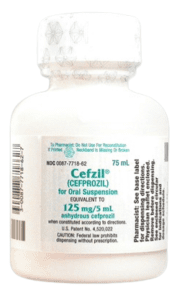
 MOUNJARO (12.5mg): Save up to 70% Use code MN12MG for an additional 10% off for 12.5mg. Chat now to order and save up to $90 or