
Emla (Prilocaine Hydrochloride/ Lidocaine)
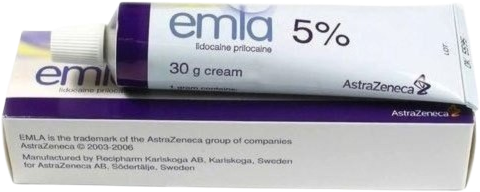
Emla (Prilocaine Hydrochloride/ Lidocaine)
Emla cream is a local anesthetic combination of prilocaine hydrochloride and lidocaine, designed to numb the skin before medical procedures such as minor surgeries, needle insertions, and cosmetic treatments. Its fast-acting formula ensures temporary relief from pain and discomfort, making it ideal for patients seeking a more comfortable experience.Why Choose Emla (Prilocaine Hydrochloride/ Lidocaine)?
- Provides effective pain relief for skin procedures
- Fast-acting formula with long-lasting numbing effects
- Suitable for minor medical and cosmetic treatments
- Reduces anxiety associated with needle procedures
How to Use Emla (Prilocaine Hydrochloride/ Lidocaine)?
- Clean the Skin: Start by washing the area with mild soap and water, then pat dry.
- Apply the Cream: Spread a thin layer of Emla over the treatment area.
- Cover: Use an occlusive dressing to enhance absorption, if recommended by your healthcare provider.
- Wait for Absorption: Allow the cream to remain on the skin for the time suggested (usually 1-2 hours).
- Remove: Gently wipe off any excess cream before the procedure.
Important Safety Information about Emla
- Avoid using on broken or irritated skin unless directed by a healthcare provider.
- Do not apply near the eyes, mouth, or sensitive mucous membranes.
- Consult a healthcare professional before use, especially if you have liver, kidney, or heart conditions.
- Avoid overuse or application to large skin areas to prevent potential side effects.
Fact Table
| Facts | Details |
| Brand Name | Emla |
| Generic Name | Prilocaine Hydrochloride and Lidocaine |
| Drug Class | Local Anesthetic |
| Formulation | Topical Cream, Topical Patch |
| Strength | Cream: Lidocaine 2.5% w/w and Prilocaine 2.5% w/w; Patch: Lidocaine 25 mg and Prilocaine 25 mg |
| Primary Use | Topical anesthesia for minor procedures |
| Mechanism of Action | Blocks sodium channels, inhibiting nerve conduction and reducing pain sensation in the application area |
| Onset of Action | 30 to 60 minutes |
| Duration of Action | Approximately 1 to 2 hours after removal |
| Dosage and Administration | - Apply a thick layer to the skin area to be treated, and cover with occlusive dressing if required. - Remove after 1 hour for minor procedures, and up to 2 hours for more extensive procedures. |
| Indications | - Minor skin procedures, including needle insertion, blood draws, and vaccinations - Minor skin surgeries, laser treatments, and tattooing |
| Warnings and Precautions | - Risk of methemoglobinemia, especially in infants and patients with G6PD deficiency - Avoid application to broken or inflamed skin - Monitor for local skin reactions or signs of systemic toxicity in sensitive patients |
| Common Side Effects | - Temporary skin redness or swelling - Mild burning or itching at the application site |
| Drug Interactions | - Avoid co-administration with other drugs that induce methemoglobinemia (e.g., nitrates, sulfonamides) |
| Storage Conditions | Store at 20-25°C (68-77°F), avoid freezing, keep out of reach of children |
| Available OTC | Yes, in some countries and in specific lower-strength formulations; a prescription is required for higher-strengths |
Common Side Effects
Like all medications, Emla (Prilocaine Hydrochloride/ Lidocaine) can cause side effects, although not everybody gets them. Understanding these side effects can help you use this medication safely and effectively.- Mild redness
- Skin irritation
- Temporary numbness
- Tingling
How Can You Buy Emla (Prilocaine Hydrochloride/ Lidocaine)?
You can order Emla (Prilocaine Hydrochloride/ Lidocaine) using these methods on our website:- Order Online
- Order by Phone
- Order by Fax
- Order your refills
