
How to Properly Store Your Ozempic Pen: A Simple Guide Everyone Can Follow
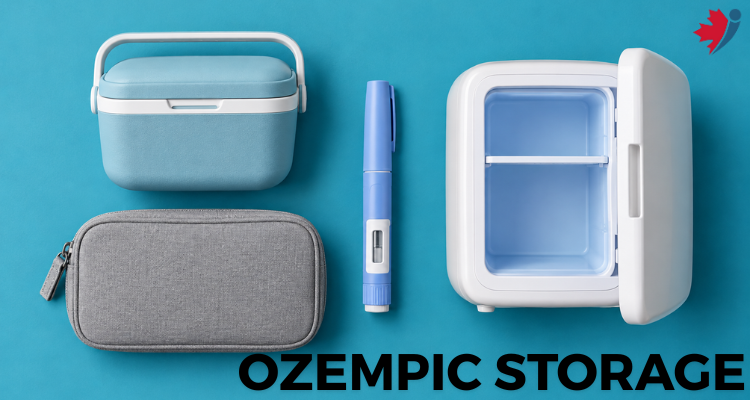
If you have recently started using Ozempic, you probably have a few questions. One of the most important ones is also one of the most overlooked: how to store Ozempic the right way.
It might not sound like a big deal, but storing your Ozempic pen incorrectly can make it less effective, or even unusable. Think of it like storing milk on the kitchen counter instead of in the fridge. It might look fine on the outside, but what is inside has already gone bad.
This guide walks you through everything you need to know about storing your Ozempic pen, from the moment you bring it home to when you are on the go.
Why Proper Ozempic Storage Matters
Ozempic (semaglutide) is a medication that helps manage blood sugar levels in people with type 2 diabetes. It is also used for weight management. The active ingredient is temperature-sensitive, which means how you store it directly affects how well it works.
If your pen gets too warm or is exposed to direct sunlight, the medication can break down. You would not even be able to tell just by looking at it. That is exactly why knowing the correct storage rules is so important before your first dose.
Ozempic is designed to support blood sugar management in adults with type 2 diabetes. If you are new to the medication, learning more about how Ozempic works for diabetes can help explain why following your prescribed treatment and handling instructions matters.
How to Store an Unopened Ozempic Pen
New, unopened Ozempic pens should always be stored in the refrigerator.
The Right Fridge Temperature
Keep unopened pens between 36°F and 46°F (2°C to 8°C). This is the standard refrigerator temperature range for most household fridges.
A few important rules to follow:
Store the pen away from the freezer compartment and the back wall of your fridge, as those spots can get too cold. Never freeze your Ozempic pen. Freezing destroys the medication completely, and a frozen pen cannot be saved. Keep it away from fruits and vegetables, which release moisture that can affect the pen.
How Long Can It Stay in the Fridge?
Unopened Ozempic pens can be stored in the refrigerator until the expiration date printed on the box. Always check that date when you pick up your prescription.
How to Store an Ozempic Pen After Opening
Once you have used your Ozempic pen for the first time, the storage rules change slightly.
An opened pen can be stored either in the refrigerator (at the same temperature range mentioned above) or at room temperature, as long as it stays below 86°F (30°C).
Here is the most important rule to remember: an opened Ozempic pen must be used within 56 days (8 weeks), no matter where you store it. After 56 days, it should be discarded even if there is medication left inside.
A simple trick is to write the date you opened the pen on a small piece of tape and stick it to the pen. This saves you from trying to remember when you started using it.
Once you have used your Ozempic pen for the first time, the storage rules change slightly. If you are still getting comfortable with your injections, understanding how to use the Ozempic pen correctly can also help you protect the medication between doses and make the weekly routine easier to manage.
What to Avoid When Storing Ozempic
There are a few common mistakes that people make when storing their Ozempic pen. Here is what you should never do:
Do not leave it in your car. Cars can get extremely hot in summer and cold in winter. Neither extreme is safe for your pen. Do not store it in a bathroom cabinet. Bathrooms are humid and experience temperature swings from showers and baths. Do not expose it to direct sunlight. A windowsill might seem convenient, but sunlight can degrade the medication quickly. Do not remove the needle cap and then store it. Always put the cap back on after each use to keep the pen sterile and protected.
Traveling with Your Ozempic Pen
Traveling with Ozempic takes a little bit of planning, but it is completely doable.
If you are traveling by car or train, keep the pen in a small insulated cooler bag. You can find these specifically designed for insulin and injectable medications. They keep the temperature stable without freezing the contents.
If you are flying, always keep your Ozempic pen in your carry-on bag, never in checked luggage. Cargo holds can experience extreme temperature changes that can damage your medication. You are allowed to bring it through airport security. It helps to carry your prescription label or a letter from your doctor.
For international travel, research the temperature of your destination and plan your storage accordingly. If you are going somewhere very warm, a travel cooler is a must.
Quick Checklist: Ozempic Storage at a Glance
- Unopened pen: refrigerator between 36°F and 46°F (2°C to 8°C), until expiration date.
- Opened pen: fridge or room temperature below 86°F (30°C), use within 56 days.
- Never freeze, never leave in a hot car, never store near sunlight.
- Always replace the pen cap after each use.
- Write the open date on the pen so you always know when it expires.
Store It Right, and It Will Work Right
Knowing how to store Ozempic correctly is just as important as taking it on schedule. A few small habits, like writing the date on your pen, keeping it out of the car, and using an insulated pouch when you travel, can protect your medication and make sure it works the way it is supposed to.
Ozempic is a long-term commitment to your health. Treating your pen with care is part of that commitment.
Get your medications more conveniently
Once you have spoken with your healthcare provider and confirmed that Ozempic is appropriate for you, you can explore convenient ways to fill your prescription. Online pharmacies such as PharmaServe can make it easier to buy Ozempic from home while offering competitive pricing, reliable availability, and additional benefits for returning customers.
After receiving your medication, be sure to follow the proper storage instructions outlined above so your Ozempic pen remains protected and ready for use.
References and Further Reading
This article offers general information. It’s NOT a substitute for consulting a healthcare professional about weight loss medications. Always make decisions about your treatment in collaboration with your doctor.
https://www.medicalnewstoday.com/articles/drugs-does-ozempic-need-to-be-refrigerated
https://www.healthline.com/health/drugs/how-to-travel-with-ozempic


 OZEMPIC: Huge price drop limited stock, limited time opportunity.
  MOUNJARO (12.5mg): Save up to 70% Use code MN12MG for an additional 10% off for 12.5mg. Chat now to order and save up to $90 or
  Free shipping is available for all orders $100 and above as a thank you for your understanding.
 Please note: Canada Post is working to clear their backlog, so slight delays may still occur.