
L-Carnitine (Levocarnitine)
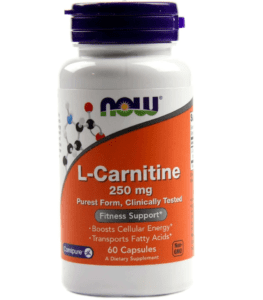
L-Carnitine (Levocarnitine)
L-Carnitine, also known as Levocarnitine, is a naturally occurring amino acid derivative that plays a key role in energy production. It helps transport fatty acids into your cells’ mitochondria, where they are burned for energy. Widely used as a dietary supplement, L-Carnitine is popular among individuals looking to support athletic performance, weight management, and overall metabolic health.Why Choose L-Carnitine (Levocarnitine)?
- Supports the body’s natural energy production
- Aids in fat metabolism and weight management
- Promotes exercise endurance and recovery
- May support heart and brain health
- Helps reduce fatigue and muscle soreness
How to Use L-Carnitine (Levocarnitine)?
- Follow the dosage instructions provided on the packaging or as directed by your healthcare professional
- Take with meals to improve absorption and reduce stomach discomfort
- Stay hydrated throughout the day to support metabolic activity
- Avoid exceeding the recommended daily dose
- Consult your doctor if combining with other supplements or medications
Important Safety Information about L-Carnitine
- Not intended as a replacement for a balanced diet or prescribed treatments
- Individuals with kidney disease, thyroid disorders, or seizure history should consult a physician before use
- Pregnant or breastfeeding women should seek medical advice before supplementation
- Keep out of reach of children
- Store in a cool, dry place, away from direct sunlight
Fact Table
| Facts | Details |
| Generic Name | L-Carnitine (Levocarnitine) |
| Common Brand Names | Carnitor®, Acetyl-L-Carnitine (supplement form), others |
| Classification | Amino acid derivative / Dietary supplement |
| Primary Function | Facilitates transport of fatty acids into mitochondria for energy production |
| Available Forms | Oral tablets, capsules, solution; Injectable (prescription use) |
| Administration Route | Oral (most common), Intravenous/Intramuscular (under medical supervision) |
| Common Uses | - Support for fatty acid metabolism - Energy production - Athletic performance - Certain metabolic or genetic disorders - Support in cardiovascular health |
| Onset of Action | Varies; metabolic benefits generally seen within weeks of consistent use |
| Duration of Action | Dependent on dosage and frequency; requires continuous supplementation for sustained benefits |
| Contraindications | Hypersensitivity to L-Carnitine or formulation components |
| Drug Interactions | - May interact with anticoagulants (e.g., warfarin) - Monitor if taken with thyroid medications |
| Common Side Effects | - Nausea - Diarrhea - Abdominal cramps - Fishy body odor |
| Storage Conditions | Store at room temperature (15–30°C), away from heat, moisture, and light |
| Regulatory Status | Available as dietary supplement (OTC) and as prescription drug in some cases |
Common Side Effects
Like all medications, L-Carnitine (Levocarnitine) can cause side effects, although not everybody gets them. Understanding these side effects can help you use this medication safely and effectively.- Mild nausea or stomach upset
- Fishy body odor (rare but reported with high doses)
- Headache or restlessness
- Loose stools or diarrhea
How Can You Buy L-Carnitine (Levocarnitine)?
You can order L-Carnitine (Levocarnitine) using these methods on our website:- Order Online
- Order by Phone
- Order by Fax
- Order your refills
