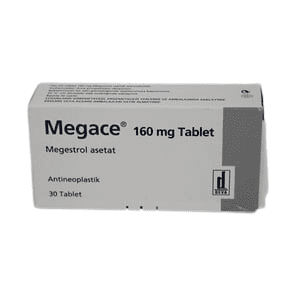
- What is Megace used for?
Megace, known scientifically as megestrol acetate, is a medication that belongs to the class of drugs known as progestins. It's used primarily for stimulating appetite in patients who have AIDS and experience significant, unexplained weight loss. Besides its role in appetite stimulation, Megace is also used in the treatment of advanced breast cancer and endometrial cancer. Its mechanism of action involves altering hormone balances in the body, which can help in stopping the growth of certain types of cancer cells and improving appetite.
- How should Megace be taken?
Megace is available in tablet and oral suspension forms. The dosage and administration depend on the condition being treated, the patient's health status, and the doctor's prescription. For stimulating appetite, a common dosage is 800 mg per day using the regular suspension or 625 mg per day with the ES formulation. For treating breast cancer, the typical dosage is 40 mg four times daily. Always follow your doctor's instructions closely.
- What are the common side effects of Megace?
While Megace can be beneficial for treating specific conditions, it also comes with potential side effects. Common ones include weight gain, increased appetite, nausea, diarrhea, gas, skin rash, insomnia, mood swings, and potentially serious conditions like high blood pressure and blood clots. If you experience any adverse effects, immediately seek medical help or contact your doctor.
- Can Megace cause high blood pressure?
Yes, one of the side effects associated with Megace is the potential to increase blood pressure. Patients taking Megace may experience elevated blood pressure levels, which can lead to further health complications if not monitored and managed properly. Regular blood pressure checks and consultations with your healthcare provider are recommended.
- Who should not take Megace?
Megace may not be suitable for everyone. It is advised that people over the age of 65, pregnant or breastfeeding women, and those with a known allergy to megestrol acetate or any of the medication's components avoid taking this drug. Additionally, individuals with a history of thromboembolic disease should use Megace with caution due to the increased risk of blood clots.
- Does Megace interact with other medications?
Megace can interact with certain medications, potentially altering their effects. For example, it may reduce blood concentrations of indinavir, a medication used to treat HIV. An increase in the dose of Megace or adjustments to other medications might be necessary. Always inform your healthcare provider about all the medications and supplements you are taking to avoid adverse interactions.
- Is Megace safe during pregnancy?
No, Megace is not safe for use during pregnancy as it may cause birth defects. Women of childbearing age should use effective contraception while taking this medication to prevent pregnancy. Additionally, because of its potential for serious adverse effects in the infant, breastfeeding while using Megace is not recommended.
- Can Megace be used indefinitely for appetite stimulation?
Long-term use of Megace for appetite stimulation is generally not recommended due to potential side effects, including an increased risk of deep vein thrombosis, blood clots, and other serious conditions. Treatment duration should be as per the prescribing healthcare provider's recommendation.
- How should Megace be stored?
Megace should be stored at room temperature, away from direct light and moisture. Keep the bottle tightly closed and inaccessible to children.
- Can Megace cause mood swings or depression?
Yes, mood changes, including mood swings and depression, are possible side effects of Megace. Patients experiencing significant mood changes should consult their healthcare provider for an evaluation and possible adjustment to their treatment plan.
- Are there any dietary restrictions while taking Megace?
There are no specific dietary restrictions while taking Megace, but maintaining a balanced and healthy diet is important, especially for patients using it for appetite stimulation and weight gain. Discuss any dietary concerns with your healthcare provider to ensure nutritional needs are met during treatment.